factreader || factreader || factreader
At its core, the term factreader refers to any system, platform, tool, or methodology that identifies, verifies, reads, and reports factual information. A factreader is designed to determine whether a claim, article, statistic, or piece of news is real, accurate, or misleading.
Why Animation Is Becoming a Key Tool for Visual Communication
Animation has become one of the most effective ways to explain ideas, tell stories, and present information clearly. Whether used in education, marketing, or presentations, motion helps audiences understand complex concepts faster than static visuals. Many creators begin their journey…
The Data-Driven Era of Academic Reporting: A Comprehensive Guide to Professional Excellence
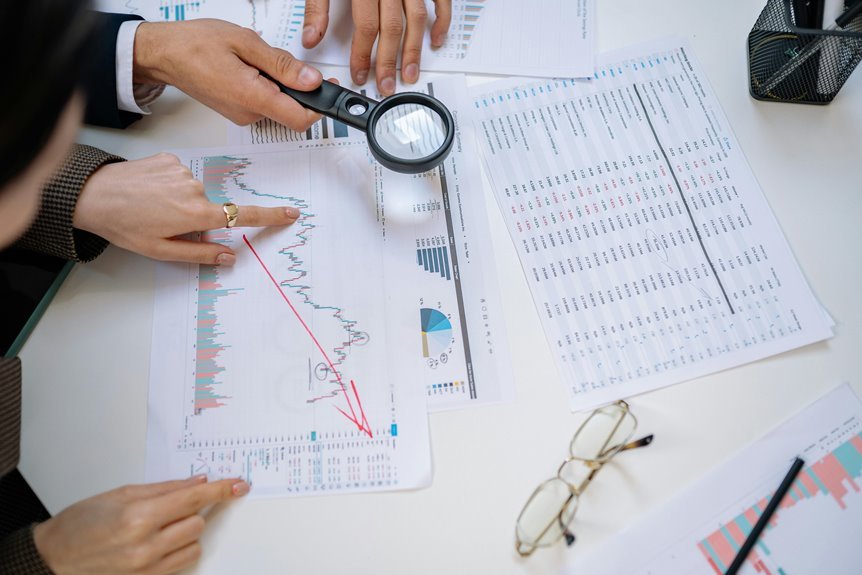
In the modern American educational landscape, the “Information Age” has transitioned into the “Verification Age.” For students at Tier-1 research universities and professionals in the corporate sectors of New York or Silicon Valley, the ability to synthesize raw data into…
Legacy Systems Are Holding You Back: The Role of Application Modernization, UX Design, and Generative AI Development Services
In today’s hyper-competitive digital economy, businesses that cling to outdated technology are playing a losing game. Legacy systems those aging, often monolithic software platforms built decades ago may still technically function, but they are quietly eroding your competitive edge, frustrating…

Maximizing Growth with a Dispensary Marketing Agency
In the competitive cannabis industry, standing out in a crowded market requires more than just quality products. A dispensary marketing agency specializes in helping cannabis retailers craft a strong brand identity and attract loyal customers. By leveraging digital marketing strategies,…

Health and Wellness Alert 4086921193 Consumer Advisory Today
It’s interesting how many people are now turning to superfood smoothies for their health kick, just as new warnings about supplements emerge. With the surge in health products, it’s crucial to stay informed about what you consume. Are you aware…
What Is Factreader? A Comprehensive Guide
In today’s information-rich and digital age, having access to accurate, credible, and fact-checked content is more critical than ever. One of the tools and concepts gaining attention in the realm of truth verification and information dissemination is factreader. But what exactly is a factreader, where did it originate, what types exist, and how does it work? In this detailed article, we’ll explore every aspect of the factreader concept, including its history, types, use cases, benefits, limitations, and future potential.
Whether you’re a student, professional, researcher, or simply someone who wants to understand how factual information spreads in the modern digital environment, this article will serve as your definitive resource on factreader.
Understanding the Concept of Factreader
Traditionally, a factreader might have referred to a person who reviews claims and reports on their accuracy. In modern digital environments, factreader often refers to automated or semi-automated platforms that use a combination of human editors and algorithmic techniques to check and validate information.
The online platform FactReader, for example, describes itself as a tool that checks and debunks false news by assembling verified information alongside analysis to promote accuracy and transparency. In an era where misinformation spreads rapidly online, the purpose of a factreader is to serve as a counterbalance to rumors, fake claims, and misleading narratives.
History and Evolution of Factreader
The idea behind factreader didn’t suddenly appear out of nowhere. It has evolved over several decades alongside advancements in media, technology, and information receipt:
1. Early Human Fact Checking
Before the internet, journalists and researchers acted as the primary truth verifiers. Editors and proofreaders ensured published material was accurate, reliable, and based on verifiable sources.
2. Rise of Digital Media and Misinformation
With the advent of the internet and social media platforms, the volume of information—and misinformation—increased exponentially. People began publishing content without editorial oversight, leading to the rapid spread of false claims.
3. First Online Fact-Checking Platforms
As misinformation became more widespread, organizations dedicated to fact-checking emerged. They relied on research teams who verified claims by consulting original sources, subject matter experts, and data analysis.
4. Automated and Hybrid Factreader Tools
With advancements in machine learning and artificial intelligence, the concept of a factreader expanded to include automated systems. These systems cross-reference claims with trusted databases, historical records, and reliable sources, speeding up the process of validation.
5. Modern Factreader Platforms
Today, there are various implementations of factreader online—ranging from platforms that tackle political misinformation and news claims to tools that offer curated factual content on business, technology, health, and more. The goal remains consistent: provide people with trustworthy and accurate information.
Types of Factreader Systems
The term factreader can apply to various systems and platforms that handle factual data and verification. Below are major types:
1. Manual Factreader Tools
These rely on human editors, researchers, and subject matter experts who investigate claims and determine their accuracy. This type often appears in traditional journalism and academic research. A manual factreader is valuable for complex or nuanced claims that require deep understanding.
2. Automated Factreader Systems
Leveraging AI, natural language processing (NLP), and large fact-databases, automated factreader systems can quickly scan texts, compare them to known facts, and flag inconsistencies. These are widely used for initial screening of online content and in digital platforms.
3. Hybrid Factreader Platforms
These combine human expertise with machine assistance. AI algorithms handle large volumes of content and flag potentially incorrect pieces, which are then reviewed by human experts. This hybrid factreader approach balances speed with accuracy.
4. Educational Factreader Sites
Separate from verification tools, some platforms branded with the term factreader (or similar names like FactsReader.com) provide curated informational content on a broad range of subjects. These aren’t fact-checking tools per se, but sources where users can learn verified facts in areas like business strategies, technology tips, online earning methods, and social media insights.
5. Social Media Growth Tools Misattributed as Factreader
There are also websites associated with the name factreader that claim to boost social media engagement (e.g., follower growth tools). These platforms are unrelated to traditional fact verification and should be treated cautiously, as they often promise quick results that may not be legitimate.
How Factreader Works: A Detailed Look
1. Claim Identification
The first role of a factreader—especially in fact-checking platforms—is to identify claims that require verification. These can be trending topics, citations from public figures, or widely circulated online rumors.
2. Data Collection
Once a claim is selected, the factreader system collects data from credible sources. These can include academic databases, official government publications, previously verified articles, expert interviews, and other trustworthy outlets.
3. Verification and Analysis
At this stage, the information is compared against known evidence. Automated models may scan databases, while human reviewers interpret the context, assess source credibility, and identify inconsistencies.
4. Reporting and Rating
After verification, the factreader produces a report, often rating the accuracy (e.g., true, partially true, false, misleading). This report is then published to inform readers.
5. Feedback and Correction
Many modern factreader platforms allow users to provide feedback, ask questions, or request corrections, creating iterative improvement of factual accuracy.
Benefits of Using a Factreader
A factreader offers numerous advantages in today’s digital world:
1. Prevents Spread of Misinformation
By verifying claims before wide distribution, factreader systems reduce the harmful impact of fake news and rumors.
2. Promotes Informed Decisions
Whether in business, politics, or everyday life, accurate facts lead to better outcomes.
3. Enhances Online Trust
Users who rely on factreader platforms gain confidence that they are consuming reliable information.
4. Supports Education
Educational factreader sites provide learners with trusted content that supports academic and professional growth.
Limitations of Factreader Systems
Despite their value, factreader systems are not without challenges:
1. Human Limitations
Even the best factreader systems can struggle with ambiguous or opinion-based claims.
2. Resource Intensive
Accurate fact checking often requires time, expertise, and significant effort.
3. Context Matters
Some claims are nuanced and depend on context, making simple true/false labels insufficient.
4. Scale of Misinformation
The sheer volume of information online can overwhelm even automated factreader technologies.
Use Cases of Factreader
Factreader systems have practical applications in:
- News verification and journalism
- Academic research and scholarly work
- Educational content platforms
- Political debate analysis
- Health and science information dissemination
- Business data integrity checks
Factreader and SEO: Why It Matters
For content creators and website owners, integrating factreader principles (such as verified, accurate content) can significantly improve SEO performance:
- Higher credibility leads to better user trust and engagement.
- Search engines prioritize accurate and authoritative content.
- Long-form SEO articles with factual backing attract backlinks and organic traffic.
- Using the keyword factreader strategically (as in this article) enhances search relevance.
Frequently Asked Questions (FAQ)
1. What is a factreader?
A factreader is a person or system that reads, verifies, and reports factual information to determine its accuracy.
2. How does a factreader work?
It works by collecting data from credible sources, analyzing the information, comparing it to known facts, and reporting the results.
3. Is factreader the same as fact-checking?
Yes, factreader systems are often a type of fact-checking tool that validates claims and prevents misinformation.
4. Can automated factreader tools be trusted?
Automated tools are useful for quickly screening content, but the most reliable results come from hybrid systems that include human review.
5. Is factreader only for news verification?
No. While commonly used for news, factreader systems are also used in academic research, educational content platforms, and business analysis.
6. What are examples of factreader platforms?
Examples include digital platforms dedicated to checking news claims and websites offering factual content on a range of topics.
7. Does factreader replace human editors?
Not entirely. While it aids efficiency, human expertise is still necessary for nuanced and contextual verification.
8. Why is factreader important today?
Because the rapid spread of information online makes it crucial to identify what is true and what is not—helping people make informed decisions.
Conclusion
The concept of factreader plays a crucial role in the modern information ecosystem. From helping to combat misinformation to providing accurate, curated content for education and learning, factreader systems serve as essential tools for transparent and trustworthy communication.
Whether you’re exploring fact checking for the first time or seeking reliable resources for research, understanding factreader helps you navigate the complex world of digital content with clarity and confidence. As the demand for credible information continues to grow, the importance of strong factreader systems—powered by both human expertise and modern technology—will only increase.
By prioritizing verified facts, promoting credible sources, and encouraging critical thinking, factreader approaches strengthen public discourse, support informed decisions, and foster a more knowledgeable global community.