It’s a curious coincidence that the end of World War I coincided with the onset of the Spanish Flu pandemic, two global events that reshaped societies in 1918. As nations struggled to recover from the war’s devastation, they faced an equally daunting public health crisis. This period also sparked social movements advocating for labor rights and women’s suffrage, highlighting the urgent need for change amid instability. How did these factors intertwine to influence the trajectory of the 20th century?
The Aftermath of World War I
As the dust settled on the battlefields of World War I, countries faced the daunting task of rebuilding both physically and psychologically.
The signing of peace treaties marked a new beginning, yet economic challenges loomed large.
You’d witness nations grappling with war debts, inflation, and resource scarcity, all while striving for stability and freedom, highlighting the fragile balance between peace and recovery in a war-torn world.
The Spanish Flu Pandemic
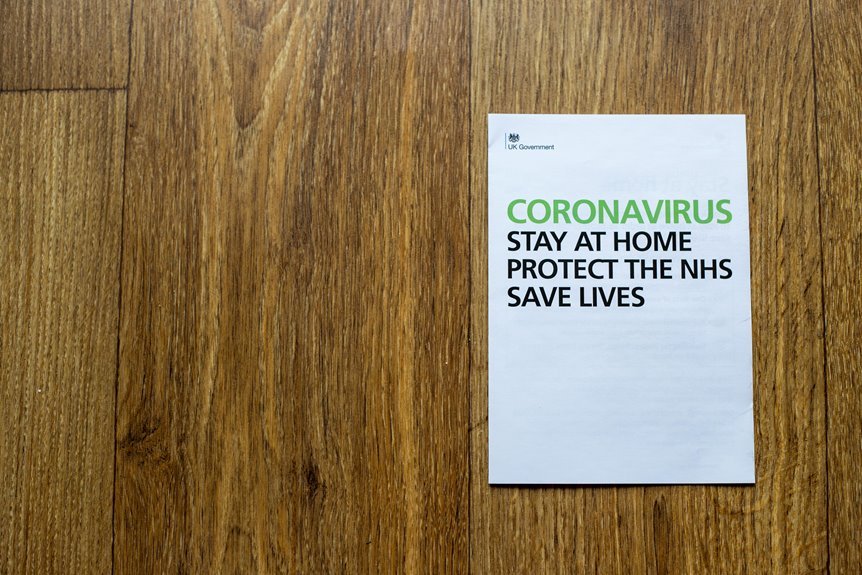
While nations struggled to recover from the devastation of World War I, the outbreak of the Spanish Flu pandemic compounded their challenges, sweeping across the globe with alarming speed.
Your understanding of the pandemic response reveals how public health efforts were often inadequate, revealing systemic weaknesses.
This crisis highlighted the urgent need for coordinated healthcare strategies, as societies grappled with disease and despair.
Social Movements and Political Upheaval
The aftermath of the Spanish Flu pandemic amplified existing social tensions, leading to a surge in social movements and political upheaval across the globe.
You witnessed passionate demands for labor rights and women’s suffrage, as disenfranchised populations rallied for equality and justice.
These movements challenged oppressive systems, igniting a transformative period where voices long silenced began to resonate with newfound power and urgency.
Technological Advancements and Their Impact
Technological advancements during the early 20th century, particularly in communication and transportation, transformed daily life and reshaped societal structures.
You experienced the rise of radio communication, which connected distant voices and ideas, fostering a sense of global community.
Meanwhile, aviation innovations revolutionized travel, expanding horizons and enabling personal freedoms.
Together, these breakthroughs empowered you to engage with the world like never before.
Conclusion
In reflecting on 1918, you can see how the echoes of war shaped a fragile world, where hope and despair danced in a delicate balance. The Spanish Flu swept through societies like a relentless tide, while the fervor for labor rights and women’s suffrage ignited passions for change. As technology bridged distances, you realize that these interconnected events didn’t just mark a year; they laid the groundwork for a future bursting with both challenges and possibilities.