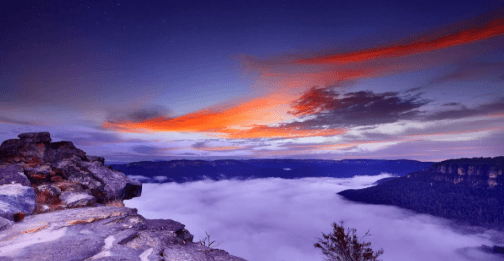
Photography is more than just clicking a button; it is the art of observation. It is about learning to see the world differently, capturing fleeting moments of light, shadow, and emotion that might otherwise go unnoticed.
Whether you are standing on the rugged cliffs of the Great Ocean Road or wandering through the bustling streets of Melbourne, photography allows you to freeze time and tell a story through a single frame.
For many Australians, the vast and diverse natural beauty of our country provides the perfect canvas to hone this craft.
Finding Your Vision
The journey to becoming a proficient photographer begins long before you pick up a camera. It starts with developing your “photographer’s eye.”
This means training yourself to notice composition, lines, textures, and the way light interacts with your subject. Many beginners make the mistake of focusing solely on gear, thinking that a more expensive camera will automatically result in better images. While quality equipment helps, it is the photographer’s vision that truly defines the final product.
To sharpen your skills, it is essential to move beyond “Auto” mode. Understanding the exposure triangle—the relationship between aperture, shutter speed, and ISO—is fundamental. Aperture controls the depth of field, allowing you to blur the background or keep everything in sharp focus.
Shutter speed determines how you freeze motion or create artistic blur, while ISO manages your camera’s sensitivity to light. Mastering these manual settings gives you total creative control over your images.
The Importance of Continued Learning
Even seasoned professionals are constantly learning. Photography is a technical field that evolves rapidly, with new software updates, sensor technologies, and creative techniques emerging all the time.
If you feel your progress has plateaued, or if you are looking to fast-track your development, enrolling in an online photography course can provide the structured guidance needed to refine your technical abilities and creative approach.
A good course will help you move past common frustrations, such as blurry shots or poorly composed landscapes, and provide you with actionable feedback.
Beyond formal instruction, visual learning is incredibly powerful. Watching how other photographers approach a scene can be transformative.
For instance, this YouTube video by Peter McKinnon offers an excellent insight into how to structure your shots and think creatively about your surroundings. Seeing the process unfold in real-time helps bridge the gap between theoretical knowledge and practical application.
Essential Tips for Better Photography
Whether you are capturing portraits, street photography, or the vast Australian outback, there are certain principles that remain constant.
Here are some key tips to elevate your photography today:
- Mind the Light: Photography is quite literally the art of painting with light. Shoot during the “golden hour”—the hour after sunrise and the hour before sunset—to take advantage of soft, warm light that minimises harsh shadows.
- Simplify Your Composition: Often, the most powerful images are the simplest. Try to remove distracting elements from your frame. Use the “rule of thirds” to place your subject off-centre, which often creates a more balanced and engaging image.
- Change Your Perspective: Don’t just take photos from eye level. Get low to the ground or find a high vantage point. Changing your physical position can offer a unique angle that most people walk right past.
- Focus on Storytelling: Ask yourself what the image is saying. Are you capturing the isolation of the bush or the vibrant energy of a local festival? A successful photograph should evoke a feeling or communicate a narrative.
- Post-Processing with Purpose: Post-processing is a natural extension of the creative process. Use editing software to enhance colours, adjust contrast, and crop your images, but strive to maintain a natural look that reflects the reality of the scene you captured.
Embracing the Australian Landscape
Australia is a photographer’s paradise, offering everything from the red sands of the Red Centre to the temperate rainforests of Tasmania.
Each environment presents its own set of challenges. When shooting in the desert, you must be prepared for extreme temperatures and fine dust, which can wreak havoc on camera sensors. In coastal areas, moisture and salt spray are the primary enemies of your gear.
Preparation is key to getting the shot. This means researching your location beforehand, checking the weather forecast, and ensuring you have the right equipment for the environment. If you are planning a landscape shoot, arrive early to scout your composition and wait for the light to hit the landscape just right.
Patience is perhaps the most underrated quality in a photographer; sometimes you have to wait hours for the clouds to part or for a subject to walk into the frame.
Conclusion
Photography is a lifelong pursuit. There is always a new technique to master, a new subject to explore, and a new way to interpret the world. It encourages us to slow down, pay attention to the environment, and appreciate the beauty in the mundane.
Whether you are capturing photos as a professional endeavour or as a cherished hobby, the most important thing is to keep shooting, keep learning, and keep sharing your unique perspective with the world.
By combining technical knowledge with a passion for storytelling, you can transform the way you see and document your life in the beautiful country we call home.
Pick up your camera, get out into the field, and start creating images that resonate with others.