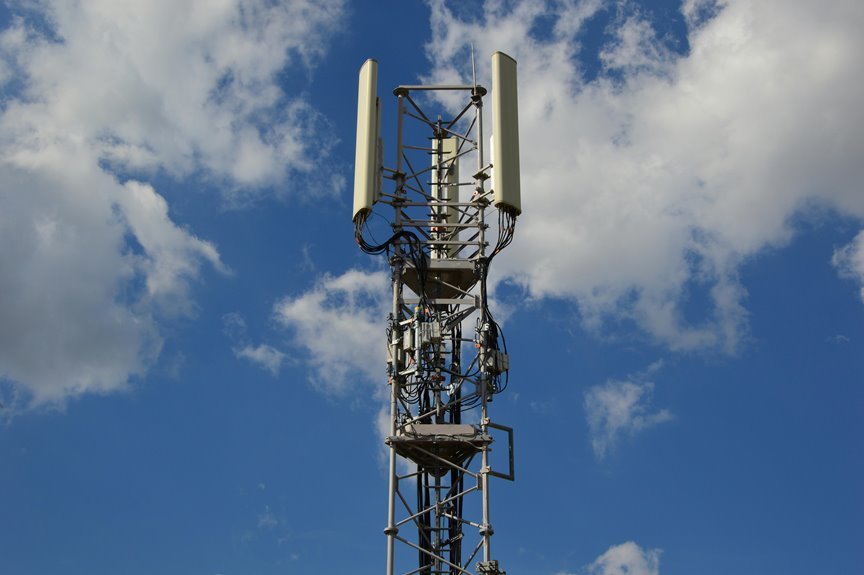
The “Telecom Infrastructure Report 4582161912” highlights the pressing need for robust telecom systems in the U.S. public services. You’re likely aware of the disparity in connectivity, especially in rural areas, which hampers essential services. The integration of advanced technologies like fiber optics and 5G could bridge this gap. However, understanding the implications of these innovations and the necessary reforms for equitable access is crucial. What might this mean for the future of underserved communities?
Current State of Telecom Infrastructure in the USA
The telecom infrastructure in the USA stands as a complex web of technologies and systems that enable connectivity across vast distances.
You’ll find that fiber optics play a crucial role in enhancing broadband access, delivering high-speed internet efficiently.
This integration of advanced technologies not only fosters communication but also empowers you with the freedom to connect, work, and thrive in an increasingly digital world.
Challenges Facing Public Services in Connectivity
While advancements in telecom infrastructure have significantly improved connectivity, public services still grapple with several challenges that hinder equitable access.
The persistent digital divide affects many communities, particularly in rural areas where broadband access remains limited.
Inadequate funding, outdated regulations, and lack of technological support exacerbate these issues, leaving you and countless others without the reliable connectivity necessary for modern public services and opportunities.
Innovative Solutions for Enhanced Telecom Services
As communities increasingly demand reliable connectivity, innovative solutions are crucial for enhancing telecom services.
5G advancements paired with fiber optics can significantly increase data transmission speeds.
By integrating wireless technology into smart cities, you’ll enable seamless communication and efficient resource management.
Embracing these technologies not only enhances user experience but also empowers communities to thrive in an interconnected landscape, fostering greater independence.
Future Implications for Communities and Citizens
With the rapid evolution of telecom infrastructure, communities stand to experience transformative changes that directly impact daily life.
Enhanced connectivity fosters digital equity, ensuring everyone can access vital services. Increased community engagement will empower citizens to influence local decisions, driving innovation.
As you adapt to these advancements, consider how they shape your community’s future and enhance your personal freedom in an interconnected world.
Conclusion
In conclusion, as you navigate the evolving landscape of telecom infrastructure, it’s clear that bridging the digital divide is vital for public services. By embracing innovative solutions like fiber optics and 5G, you can empower communities and enhance connectivity. The future hinges on continued investment and regulatory reforms that prioritize equitable access. Don’t let outdated systems hold you back—think of this as your chance to leap into the digital age and transform lives for the better.